One of the world’s most unique and scalable models of inclusive development rooted in dignity, circularity, and shared responsibility.

A sustainable model

Over 65% of India’s population still lives in rural areas—grappling with cycles of exclusion, material poverty, and growing vulnerability to climate shocks. At the same time, urban India discards over 62 million tonnes of waste annually, much of it usable surplus from homes, institutions, and corporations.

Goonj works across 31 states and union territories through a dignity-led process that mobilizes rural communities to identify local challenges and lead their own solutions—drawing on their deep knowledge, collective effort, and available resources. More than 200 grassroots partners help implement this process, while urban citizens, institutions, and corporations become co-creators—contributing money, material, time, and skills.

The Goonj Way recognizes community ingenuity, surplus, and labor as legitimate currencies of change. It lays the foundation for a parallel economic model, where financial inputs are multiplied through grassroots participation and circular flows of material.

In the last 10 years

63,000,000

kgs of urban surplus

Repurposed. Recycled. Upcycled. Given a new lease of life and kept out of landfills

96,000+

Community-led Projects

Mobilized by Goonj, rural communities identify & solve their challenges with their own resources, wisdom and labor

31

States & Territories

With a network of 750+ grassroots partners, Goonj works with vulnerable rural communities across India

15,700,000

lives touched

Especially in disaster-prone, tribal, remote, or underserved areas

We exist to support the growth of Goonj’s impact in India and globally

We aim to strengthen the flow of financial support to scale community-driven development across 50,000 villages over the next five years. We foster academic and research partnerships with the Goonj Knowledge & Research Institute and nurture global connections to adapt and replicate Goonj’s proven, dignity-led models for climate resilience, disaster response, and systemic change.

Media Gallery

Recent Updates

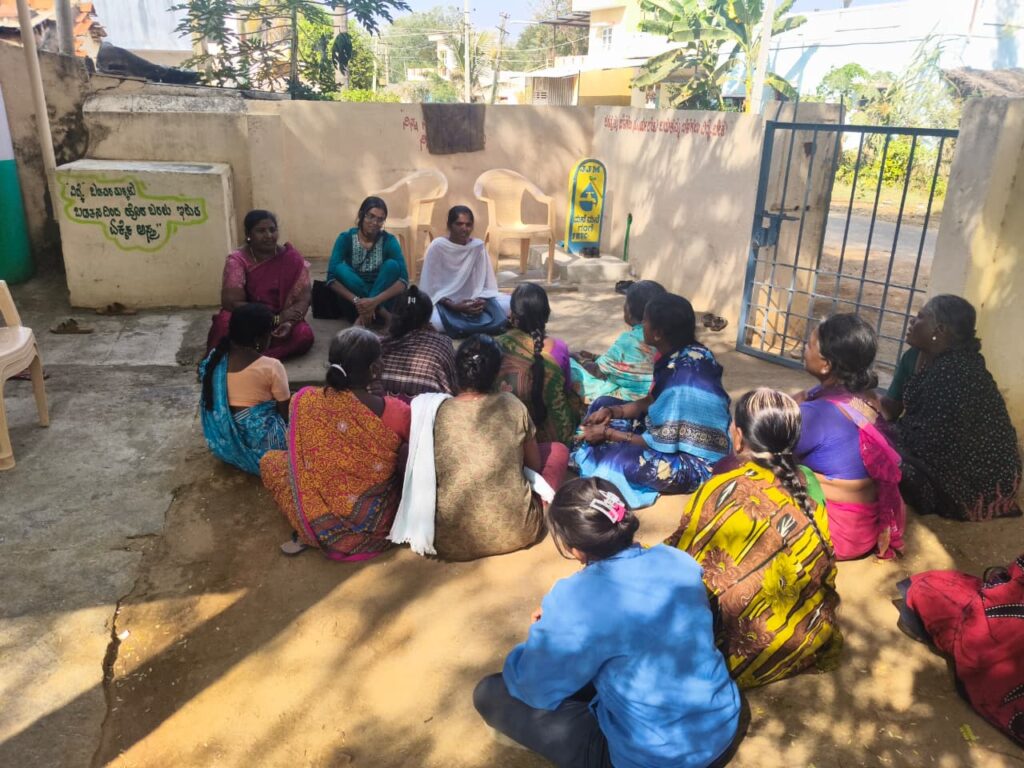
What Wellbeing Really Looks Like: Learning from Akka Workers in South India
07Apr

What Wellbeing Really Looks Like: Learning from Akka…

When we talk about wellbeing, we often think about income,…
Deep Listening
25Mar

Deep Listening

Deep Listening as Development Practice: What Goonj Hears Beyond the…

How Clothing Shapes Confidence and Emotions
08Mar

How Clothing Shapes Confidence and Emotions

Research in psychology shows that clothing does more than just…